
Local SEO for small business means making it easy for people nearby to find you when they search for what you offer, whether that’s “plumber near me” or “accountant in Leeds.” It centers on your Google Business Profile, consistent business details across the web, genuine reviews and location-focused pages on your website.
The work is practical rather than technical, and most of it can be done in-house. Below is a step-by-step approach that applies to small businesses in both the UK and the US.
Key takeaways
- A complete, accurate Google Business Profile is the foundation of local SEO.
- Your name, address and phone number (NAP) should match everywhere they appear online.
- Reviews influence both visibility and trust, so ask for them consistently and reply to them.
- Useful local landing pages and LocalBusiness schema help search engines connect your site to your area.
Set up and optimize your Google Business Profile
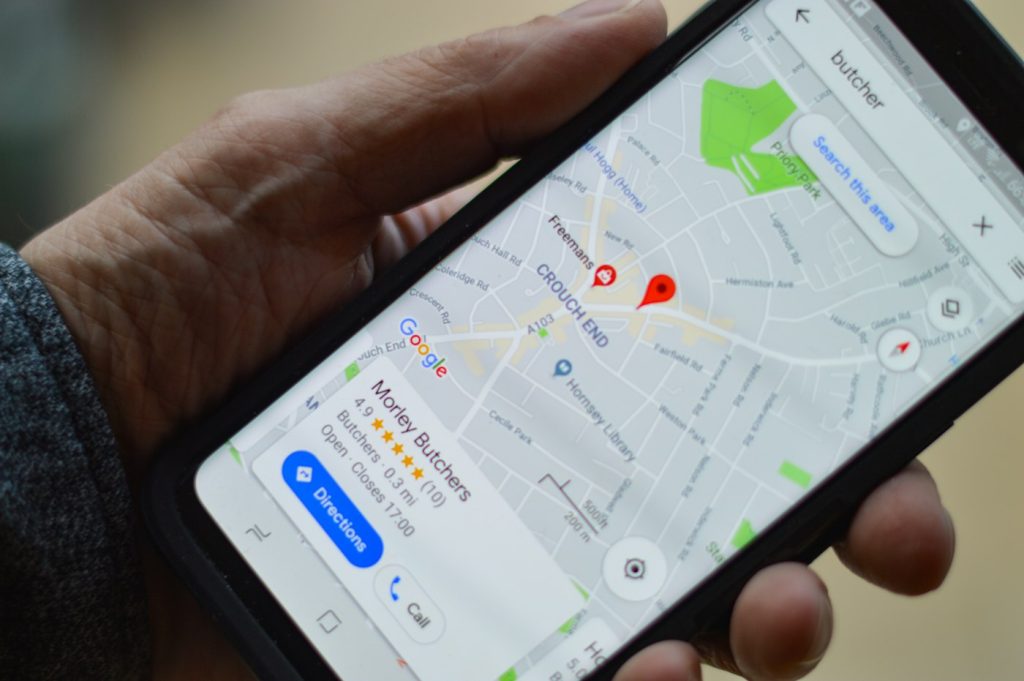
Your Google Business Profile controls how you appear in Google Maps and the local results that show above many organic listings. Claim and verify it first, then fill in every relevant field.
- Primary category: choose the one that most precisely describes your core business. Add secondary categories only if they genuinely apply.
- Business details: enter your exact business name (no added keywords), address or service area, phone number, website and opening hours, including holiday hours.
- Services and products: list what you offer in plain language customers would use.
- Description: explain what you do, who you serve and what makes you different.
- Photos: add real photos of your premises, team, vehicles and work. Keep them current.
- Updates: post news, offers and events occasionally to show the profile is active.
If you serve customers at their location and don’t receive visitors, you can set a service area and hide your street address.
Keep your NAP consistent everywhere
NAP stands for name, address and phone number. Search engines compare these details across your website, your profiles and online directories. Mismatches, such as an old address or a different phone number, create doubt about which information is correct.
Start with the places that matter most:
- Your website footer and contact page
- Google Business Profile, Bing Places and Apple Business Connect
- Major directories such as Yelp, plus UK options like Yell and Thomson Local where relevant
- Industry directories and trade associations
- Social media profiles
Pick one exact format, such as “Suite 4” vs “Ste 4,” and use it everywhere. If you’ve moved or changed numbers, search for your old details and update or remove outdated listings.

Earn and manage customer reviews
Reviews help people decide whether to contact you, and they are a strong signal of local prominence. The goal is a steady flow of genuine feedback.
- Ask at the right moment, such as right after a job is completed or an order arrives.
- Make it easy with a direct review link from your Business Profile, shared by email, text or a printed QR code.
- Reply to every review, thanking positive reviewers and responding calmly and helpfully to criticism.
- Stay within the rules. Don’t offer incentives for reviews, write fake ones, or only ask customers you expect to be happy. Google’s policies prohibit these practices.
Build useful local landing pages
If you serve several towns or neighborhoods, a dedicated page for each main area can help. Each page must offer real value to someone in that place, not just swap the town name.
Good local pages include:
- The specific services you provide in that area
- Relevant local details, such as the areas covered or how you reach customers there
- Photos and descriptions of work in that location, where you have them
- Clear contact options and, if you have a physical office there, its address and map
Avoid creating dozens of near-identical pages. Google treats mass-produced “doorway” pages as spam, and they rarely convert anyway.
Add local schema markup
LocalBusiness structured data tells search engines your business name, address, phone number, opening hours, geographic coordinates and website in a machine-readable format. Use the most specific subtype available, such as Dentist, Plumber or Restaurant.
Make sure the details in your schema match your Business Profile and the visible page content. Test your markup with Google’s Rich Results Test before and after publishing.
Local SEO checklist for UK and US small businesses
- Claim and verify your Google Business Profile.
- Choose an accurate primary category and complete every relevant field.
- Add real photos and keep hours up to date.
- Set up Bing Places and Apple Business Connect.
- Standardize your NAP and fix inconsistent listings.
- Get listed in reputable general and industry directories.
- Create a simple, ethical process for requesting reviews.
- Respond to all reviews.
- Build helpful pages for each main service and location.
- Add LocalBusiness schema and validate it.
- Make sure your site is mobile friendly and fast, since local searches often happen on phones. Our guide on how to improve Core Web Vitals can help.
- Earn local links through sponsorships, partnerships and community involvement.
Frequently asked questions
Do I need a physical address for local SEO?
No. Service-area businesses can create a Google Business Profile, set the areas they serve, and hide their street address. You do need a real way to be verified.
How long does local SEO take?
It varies with your competition and starting point. Profile fixes can show results relatively quickly, while reviews, links and content build value steadily over time.
Should I put keywords in my business name?
No. Use your real business name. Adding keywords that aren’t part of your legal or trading name goes against Google’s guidelines and can lead to your profile being suspended.
Is local SEO different in the UK and the US?
The principles are the same. The main differences are which directories matter and local details like address formats and spelling.
Want more local customers to find you?
Tech Baksho can review your Business Profile, listings and website and build a practical local SEO plan around your area.